Membrane Layer Bioreactors Clarified: Reliable Solutions for Clean Water
Membrane layer bioreactors (MBRs) have actually arised as an advanced option for dealing with the pushing difficulties of wastewater treatment - Membrane Bioreactor. By integrating organic procedures with advanced membrane layer filtering, MBRs not just boost the high quality of treated water however likewise lower the spatial demands of treatment facilities.
What Are Membrane Layer Bioreactors?
Membrane layer bioreactors (MBRs) are sophisticated wastewater therapy systems that integrate biological degradation processes with membrane layer filtration technology. This assimilation enables the effective elimination of contaminants from water, making MBRs a recommended selection in various applications, including metropolitan wastewater therapy and industrial effluent administration.
One of the essential benefits of MBRs is their capacity to create high-grade effluent, frequently suitable for reuse in irrigation or commercial processes. Additionally, MBRs require a smaller footprint contrasted to traditional therapy systems, making them suitable for urban settings where space may be restricted.
In addition, MBRs can effectively deal with differing influent lots and are less at risk to the effects of harmful shocks. These qualities add to their growing appeal as a sustainable service for dealing with the increasing need for clean water while decreasing ecological effects.
Just How Membrane Layer Bioreactors Work
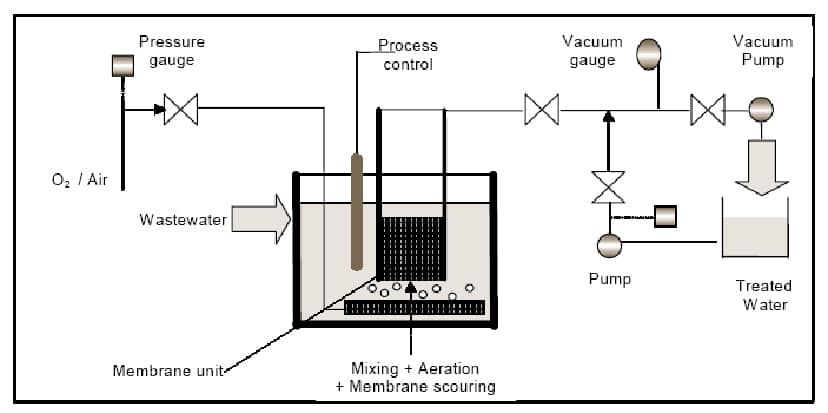
While the operation of membrane layer bioreactors (MBRs) might seem facility, it basically focuses on the harmony between biological procedures and membrane purification. MBRs incorporate a biological therapy process, commonly turned on sludge, with a membrane layer separation system to deal with wastewater efficiently.
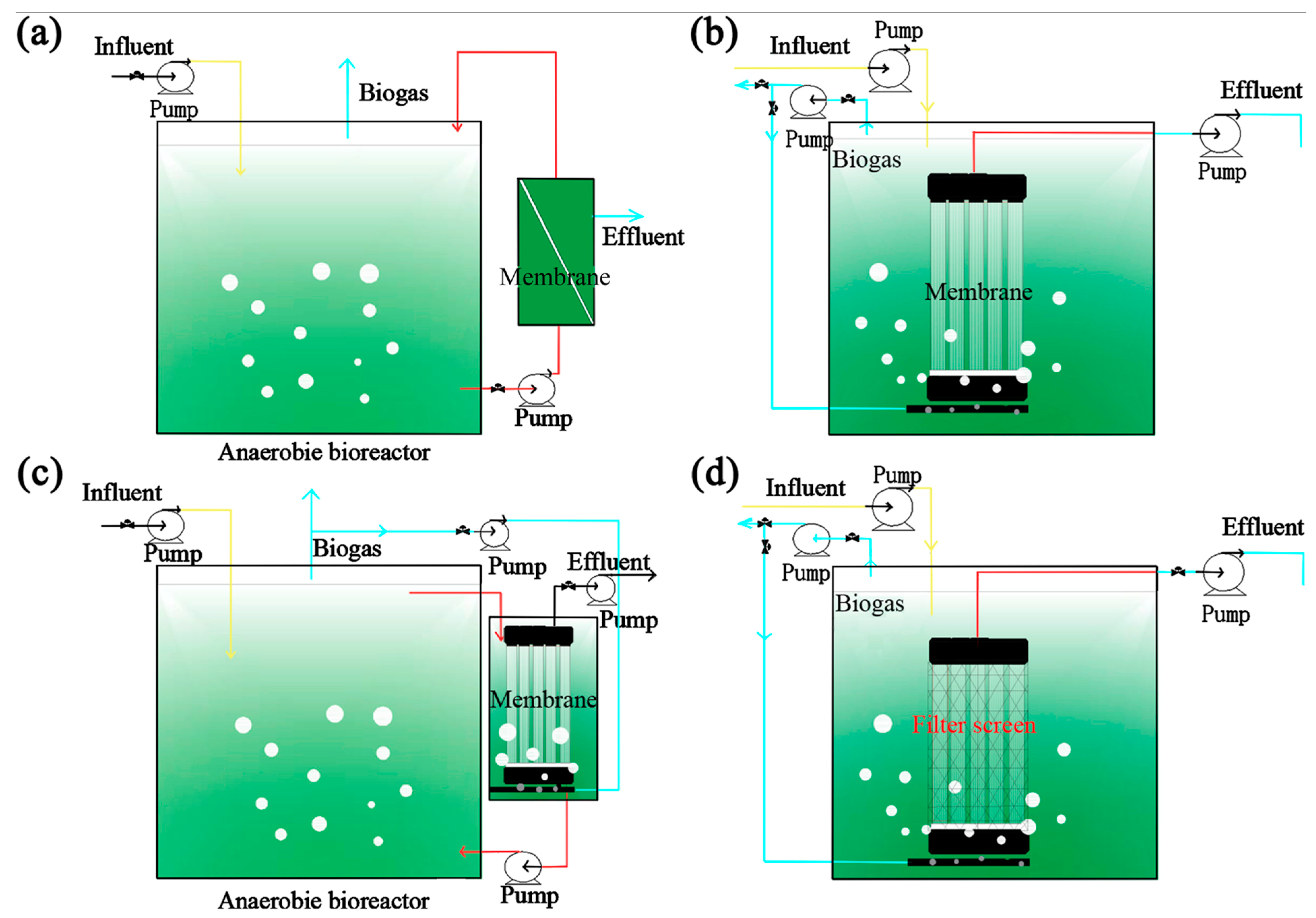
In an MBR system, wastewater is first introduced right into a bioreactor where microbes break down organic issue and various other pollutants. The biological task lowers the concentration of pollutants while advertising the development of biomass. Following this organic treatment, the mixed alcohol undergoes membrane layer filtration, which can be microfiltration or ultrafiltration, relying on the desired effluent top quality.
The membrane layers serve as a physical barrier, enabling water and little solutes to pass while preserving put on hold solids and bigger molecules. This makes it possible for the system to preserve a high concentration of biomass within the reactor, enhancing the therapy effectiveness.
Moreover, the continual splitting up of treated water from the biomass helps with a portable design and reduces the footprint of the therapy facility. Generally, the combination of organic deterioration and membrane purification in MBRs results in trustworthy and efficient wastewater treatment, making sure high-grade effluent suitable for various applications.
Benefits of MBR Modern Technology
Among the crucial advantages of membrane bioreactor (MBR) technology is its capacity to generate premium effluent with a considerably decreased impact contrasted to standard wastewater treatment techniques. MBR systems properly integrate organic treatment click site and membrane layer filtering, causing premium elimination of pollutants, consisting of suspended solids, pathogens, and raw material. This ability results in effluent that often fulfills or exceeds strict regulatory standards for reuse and discharge.
Furthermore, MBR innovation enables greater biomass concentrations, which improves the treatment effectiveness and minimizes the required reactor volume. This compact layout is specifically valuable in metropolitan locations you could try this out where space is restricted. The operational flexibility of MBR systems likewise indicates they can adapt to differing influent high qualities and circulation rates, making them appropriate for a large range of applications.
Moreover, the reduced sludge production associated with MBR procedures adds to lower functional and maintenance prices. The membrane layers serve as a physical barrier, lessening the danger of clogging and enabling longer operational durations between cleaning. Overall, the benefits of MBR modern technology make it an appealing service for lasting wastewater treatment, dealing with both environmental worries and the need for effective resource monitoring.
Applications of Membrane Bioreactors
With their flexibility and efficiency, membrane layer bioreactors (MBRs) locate applications across different markets, consisting of municipal wastewater treatment, commercial processes, and even water improvement. In community settings, MBRs provide a small remedy for treating wastewater, successfully removing impurities while simultaneously producing high-quality effluent that fulfills stringent regulatory criteria. This makes them particularly suitable for locations with minimal room.
In commercial applications, MBR innovation is used for dealing with process water, especially in industries such as food and drink, drugs, and petrochemicals. These industries take advantage of MBRs' ability to manage high natural loads and their performance in recouping valuable resources from wastewater, such as nutrients and water.
Additionally, MBRs play an essential role in water recovery campaigns, making it possible for the reuse of dealt with wastewater for watering, commercial processes, or perhaps as potable water after further therapy (Membrane Bioreactor). Their performance in removing pathogens and contaminants makes them a reliable option for making sure water high quality in different reuse applications
Future of Water Therapy Solutions
The future of water treatment options is positioned for transformative improvements driven by technological technology and raising environmental understanding. As global water shortage ends up being a pushing concern, brand-new methods, consisting of membrane layer bioreactor (MBR) systems, are set to play a crucial function in boosting the efficiency and sustainability of water treatment processes.
Arising innovations such as fabricated knowledge and device learning are expected to optimize therapy procedures, permitting real-time monitoring and predictive maintenance. This will boost the overall integrity and effectiveness of water therapy centers. Innovations in membrane materials, such as graphene and nanofiltration, guarantee to increase permeation rates and decrease fouling, leading to reduced energy intake and functional expenses.
Additionally, the integration of renewable resource resources into water therapy plants will add to greener methods. The round economic situation model will additionally gain grip, encouraging the recuperation of important resources from wastewater, such as nutrients and power.
Conclusion

Membrane layer bioreactors (MBRs) have actually emerged as an advanced solution for attending to the pressing difficulties of wastewater treatment. By incorporating biological procedures with sophisticated membrane filtering, MBRs not only enhance the quality of cured water yet likewise decrease the spatial requirements of therapy facilities.One of the essential benefits of membrane bioreactor (MBR) modern technology is its ability to create high-grade effluent with a considerably minimized impact compared to traditional wastewater treatment methods.With their adaptability and effectiveness, membrane bioreactors (MBRs) find applications across numerous markets, including municipal wastewater treatment, industrial processes, and even water improvement.In final thought, membrane layer bioreactors stand for a significant development in wastewater therapy modern technology, incorporating biological procedures with efficient membrane layer filtering to produce top notch effluent.